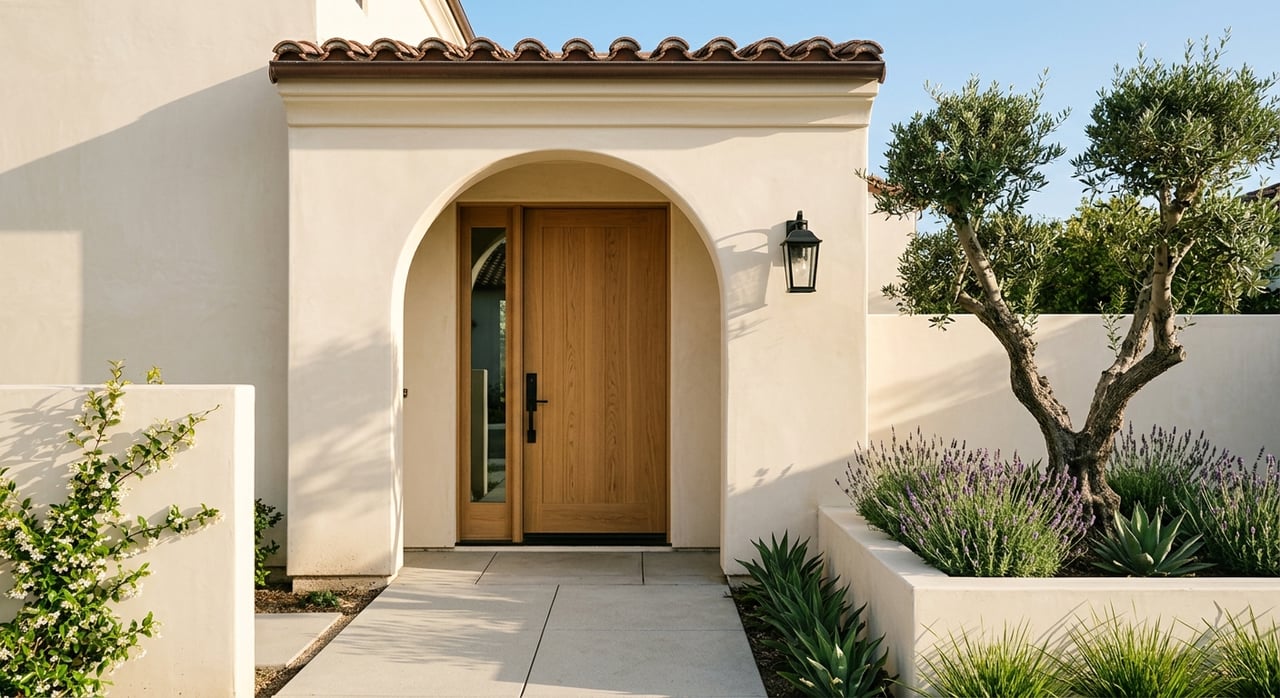
Sell Your Great Park Irvine Home With Smart Timing
June 18, 2026
June 18, 2026
Are you thinking about selling in Great Park and wondering whether timing or pricing matters more? In a neighborhood where resale homes often compete with recent builds and ongoing new construction, the answer is both. If you want to protect your price and attract serious buyers fast, you need a plan built around current comps, strong presentation, and a polished launch. Let’s dive in.
Great Park is not a typical mature resale neighborhood. The City of Irvine describes it as a master-planned area with continuing residential, retail, and entertainment development, and current planning still includes additional housing and for-sale condominium units.
That matters when you sell. Your home may not just compete with nearby resales. It may also compete with builder inventory, recent move-in-ready homes, and buyers comparing incentives, finishes, and lifestyle features across nearby villages.
The community itself is a major draw. The city notes that the Great Park Sports Complex spans 194 acres and that the trail system includes 1.5 miles of walking and biking space.
Those amenities help support demand, but they also raise expectations. Buyers are not only shopping for square footage and bedroom count. They are comparing the full Great Park lifestyle, which means your home needs to feel aligned with the setting.
When sellers miss the mark in Great Park, it is often at the pricing stage. In a selective Irvine market, buyers still act, but they are also quick to notice when a home feels overpriced.
Recent market data points in that direction. Redfin reported a May 2026 median sale price in Irvine of $1,524,088, about 42 days on market, and roughly 3 offers per home, while Zillow reported a median sale price of $1,431,167, a median sale-to-list ratio of 0.985, and 24 days to pending. The figures vary by source, but the bigger message is consistent: homes are selling, yet buyers remain price sensitive.
Fannie Mae guidance says the best comparable sales usually come from the same market area or subdivision, ideally using at least three closed sales and, when possible, sales from the last 12 months.
For Great Park, that means your strongest pricing signals often come from recent resale activity in the same village and the most comparable nearby homes that buyers would realistically cross-shop. If a similar builder or recent-build property is competing for the same buyer, it belongs in the conversation.
A strong list price should attract buyers, but it also needs to hold up under appraisal. The Consumer Financial Protection Bureau notes that if an appraisal comes in below the contract price, a buyer may ask for a price reduction and may be able to cancel depending on the contract.
For you, the practical lesson is simple. If the recent closed sales do not support an aggressive number, testing far above the evidence can create avoidable risk later, even if you get an accepted offer.
In Great Park, the smartest answer is usually both. Resale comps show what buyers have recently paid, while builder and recent-build competition shows what today’s shoppers are seeing in real time.
If your home offers features a new home may not, such as completed landscaping, window treatments, upgraded finishes, or faster move-in timing, those advantages should be positioned clearly. If a builder is offering newer inventory nearby, your pricing and presentation need to reflect that reality.
Buyers often evaluate homes through a practical side-by-side lens, including:
This is why pricing cannot happen in a vacuum. A number that looks good on paper may still fall flat if the buyer sees a more polished alternative nearby.
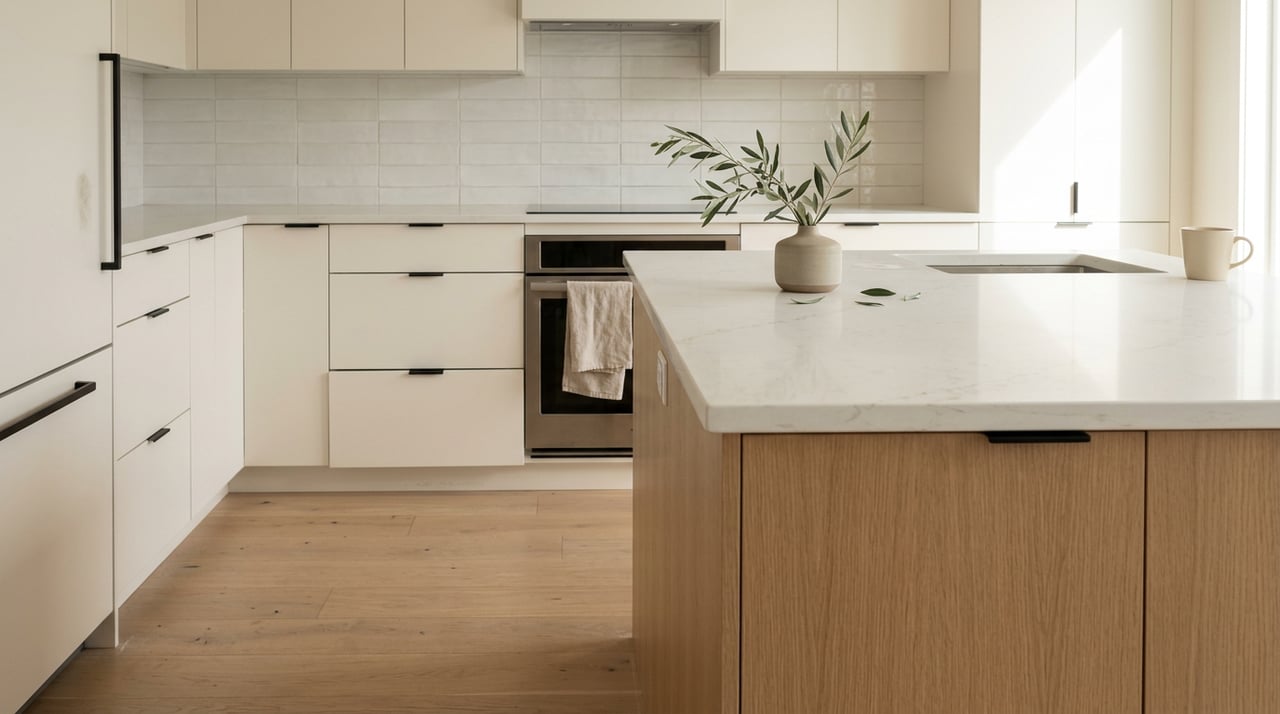
When buyers shop in a master-planned area with newer housing stock, they expect a home to show well from day one. If your home feels clean, bright, and easy to picture living in, you have a better chance of creating urgency early.
The National Association of Realtors reported in 2025 that 83% of buyers’ agents said staging makes it easier for buyers to visualize a property. More than a quarter of real estate professionals also said staging increased the dollar value offered by 1% to 10%.
In many Great Park sales, yes. You do not always need a full luxury staging package, but you do need the home to feel polished, intentional, and close to move-in ready.
That is especially true if buyers are comparing your home with newer properties. A well-presented resale can feel like the smarter value. A cluttered or tired-looking one can feel like extra work.
According to NAR’s staging report, the most commonly staged rooms are:
If you are deciding where to focus your budget and effort, start there. In Great Park, buyers often respond strongly to open living spaces, clean lines, and rooms that feel bright and functional.
Most buyers start online, and the first showing usually happens on a screen. NAR research says 81% of buyers consider listing photos the most useful feature, 69% use mobile or tablet devices in their search, and 37% use online video sites.
That means your digital presentation does a lot of the heavy lifting before anyone schedules a tour. If the photography is weak, dark, or inconsistent, you may lose interest before the buyer ever steps inside.
For Great Park sellers, a strong digital package should usually include:
NAR also cautions that edited photos and virtual staging should not materially misrepresent the property. The goal is not to oversell. The goal is to present your home clearly, accurately, and at its best.
Many sellers want to know the perfect week to list. Zillow’s 2026 timing research found that homes listed in the last two weeks of May sold for 1.7% more nationally, and Thursday was identified as the strongest day of the week to list.
That said, Zillow also notes that timing is hyper-local, and expensive West Coast markets often peak earlier than the national spring sweet spot. In Great Park, the safer takeaway is that timing matters, but local inventory, accurate pricing, and launch quality matter more.
In Irvine, Zillow reported about 24 days to pending, while Redfin showed roughly 42 days on market. Even though those numbers differ, both suggest that early buyer response matters.
The first week is when your home is freshest to the market. If the price, photos, and presentation are right, that early window can generate the strongest interest and the best chance of clean, confident offers.
Zillow says many people start thinking about selling three to four months before they list. That timeline makes sense in Great Park, where buyers are comparing your home against newer alternatives and polished online listings.
A rushed launch can leave money on the table. A thoughtful prep period gives you time to tighten pricing, improve presentation, and make sure your listing enters the market in strong form.
Before going live, focus on these core steps:
Even in a digital-first market, wide listing exposure remains important. NAR’s 2025 seller research found that about 90% of sellers use a real estate agent and 88% list on the MLS, and sellers commonly want help with pricing competitively, marketing the home, and selling within a specific timeframe.
For most Great Park sellers, that supports a visible public launch rather than a limited exposure approach. If your goal is to reach the widest serious buyer pool, broad syndication and professional marketing usually give you the best shot.
Selling in Great Park is not just about putting a sign in the yard and waiting. It is about understanding how buyers compare resales against recent builds, how appraisals can affect your deal, and how much your first online impression matters.
When you price from real comps, present the home honestly but beautifully, and launch with strong visibility, you put yourself in a better position to attract qualified buyers and protect your leverage. If you want a strategy that fits the Great Park market specifically, Felix Hung can help you build a smart plan from pricing through launch.
Felix is best known as a Social Media Real Estate Expert and has given classes on all aspects of social networking, organic branding and lead generation. Contact him today!