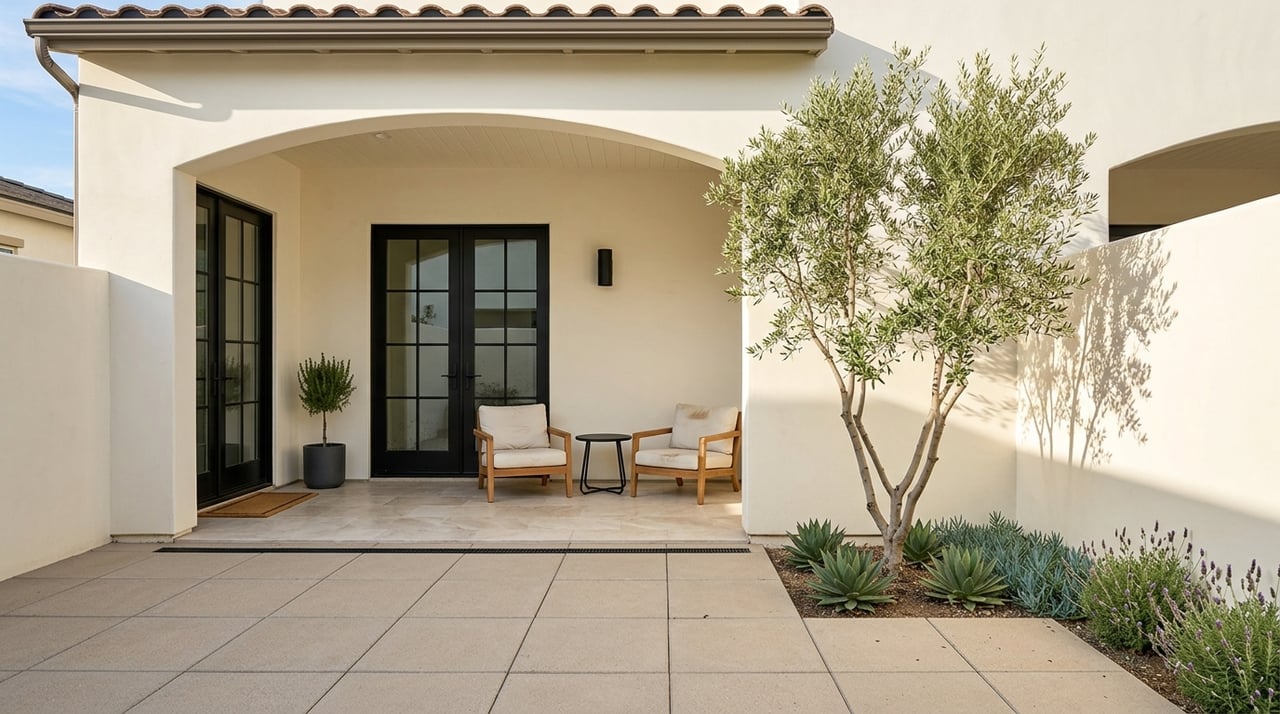
Westpark Irvine Listing Timeline for Selling Your Home
May 7, 2026
May 7, 2026
If you are thinking about selling your home in Westpark, timing matters more than many sellers expect. You want to know how long prep will take, when showings may start, and what happens after you accept an offer. The good news is that Westpark can move at a solid pace when pricing, presentation, and paperwork are handled well. Let’s break down the timeline so you can plan with confidence.
A realistic timeline for listing and selling a home in Westpark is often about 6 to 10 weeks from your first prep meeting to recording. That range usually includes several weeks of pre-listing work plus about 30 to 45 days in escrow for a financed sale.
That said, not every home follows the same pace. Recent Westpark data show a median time on market of 38 days, with some homes moving in about 25 days and others taking closer to 54 days to go pending. In other words, a strong launch can save time, while missteps in week one can stretch the process.
Westpark is part of Irvine, but your timeline should be based on Westpark-level comps, not just citywide or countywide averages. Recent data show Westpark with a median sale price of $1.08 million, compared with a higher median for Irvine overall.
That difference matters because pricing strategy works best when it reflects your immediate neighborhood and property type. Westpark includes single-family homes, townhomes, and condos or co-ops, and each can move on a different timeline depending on HOA documents, financing, and buyer demand.
Orange County posted a faster median time on market for detached homes in March 2026, but that does not mean every Westpark listing will match that speed. If you price off broad county data instead of neighborhood comps, you could miss the market and lose momentum.
This is one reason local guidance matters most at the start. The right price and launch plan often shape everything that follows.
Before your home goes live, the first step is usually pricing and property review. If your home is in strong condition, prep may be fairly short. Still, the gap between Westpark’s faster and slower sales suggests that condition and pricing can materially change your timeline.
At this stage, you should also gather the documents that can delay a transaction later if left until the last minute. In California, the seller is required to provide key disclosures, and timing matters.
A focused pre-listing phase often includes:
For common-interest properties, the HOA must provide requested documents within 10 days of a written request. That alone is a good reason to start early if you own a townhome, condo, or home with HOA requirements.
California sellers must provide a completed Transfer Disclosure Statement as soon as practicable before transfer of title. If a required disclosure is delivered after an offer has already been signed, the buyer generally gets time to terminate after receiving it.
That can create avoidable uncertainty. A complete disclosure package up front helps buyers make decisions faster and reduces the risk of delays after acceptance.
If your home was built before 1978, lead-based paint disclosure rules also apply. There is generally a 10-day inspection opportunity tied to that requirement unless it is shortened or waived in writing.
This does not mean your sale will be delayed by default. It simply means the timeline should account for the property’s age and documentation requirements.
Once your home hits the market, the first week is important. Pricing feedback comes quickly, and Westpark’s recent numbers show that launch strategy matters.
The neighborhood’s median sale-to-list ratio is 100%, and 40% of homes sold above list price in the latest data. That suggests well-positioned homes can attract strong interest, but overpricing can cost valuable days.
After launch, sellers usually move through a short cycle of:
Irvine citywide data show roughly 2 offers on average, but your result will depend on the home’s condition, price point, and presentation. In Westpark, the difference between a home that moves near the 25-day pace and one that lingers often comes down to whether the listing starts strong.
In many Westpark sales, this stage may last about 3 to 6 weeks, but it can be shorter or longer. A well-prepared and well-priced home may move close to the faster end of the local range.
If the home is overpriced, needs more buyer explanation, or requires extra HOA paperwork, the market time may stretch. Sellers who plan ahead tend to have more control over this phase.
After you accept an offer, the transaction moves into escrow. For a financed California sale, a typical escrow often takes 30 to 45 days. A cash sale can sometimes close in as little as 7 to 14 days.
The exact timeline depends on the contract terms, the buyer’s financing, and how quickly each step gets completed. Even in a smoother transaction, escrow is where many moving parts have to stay aligned.
During escrow, you can expect steps such as:
Standard California contract timelines often use a 17-day deadline for removing most contingencies and a 21-day deadline for loan contingency removal, though the signed agreement controls the actual dates.
As escrow progresses, the title company orders the preliminary title work. The escrow holder prepares for recording once the required documents, funds, and approvals are in place.
After recording is confirmed, escrow prepares closing statements and disburses funds. Once title is issued and escrow closes, the deed is typically recorded with the county recorder’s office within 1 to 3 days.
Most delays are not surprises. They usually come from a handful of predictable issues that can be managed earlier in the process.
In Westpark, the most common timeline disruptors are pricing mistakes, missing disclosures, slow HOA document delivery, financing delays, and inspection or appraisal issues. The more of these items you handle early, the more predictable your sale becomes.
Watch for these common slowdowns:
This is why experienced guidance is so valuable on the front end. A faster sale usually starts before the listing goes live.
If you are trying to line up a purchase, relocation, or school-calendar move, it helps to work backward from a target closing date. For many Westpark sellers, the safest planning assumption is 6 to 10 weeks total, not an instant sale.
That does not mean your home will take that long. It means your plan should leave room for prep, market exposure, negotiations, and escrow without forcing rushed decisions.
If you want to close by a certain month, your rough timeline may look like this:
| Phase | Typical timing |
|---|---|
| Pre-listing prep | 1 to 3 weeks |
| Active on market | 3 to 6 weeks |
| Escrow | 30 to 45 days |
This range overlaps in real life because some prep can move quickly and some homes attract offers faster. Still, it gives you a practical framework for planning your next step.
Westpark is not a one-size-fits-all market. The neighborhood pace, pricing, and paperwork needs can differ from Irvine overall and from Orange County averages.
That is why sellers usually benefit most from a strategy built around recent Westpark sales, the property type, and a complete launch plan. When your pricing, prep, disclosures, and escrow management all work together, you give yourself the best chance to sell on a timeline that feels controlled instead of stressful.
If you are preparing to sell in Westpark and want a plan built around local comps, clear timing, and smart digital marketing, connect with Felix Hung for a personalized strategy.

Felix is best known as a Social Media Real Estate Expert and has given classes on all aspects of social networking, organic branding and lead generation. Contact him today!