If you are eyeing a home in Woodbridge, you are probably wondering what those HOA fees actually cover. It is a smart question, especially in a community known for lakes, beaches, and pool complexes. In this guide, you will learn what is typically included, what is not, how fees vary by home type, and how to evaluate whether the value matches your lifestyle and budget. Let’s dive in.
How HOAs work in Woodbridge
Woodbridge is part of Irvine’s master-planned design, which usually means layered associations. You will often find a village or master association that manages communitywide amenities like the two lakes, beaches, recreation centers, parks, and trails. Many neighborhoods also have a sub-association for a condo or townhome complex or a gated street that covers building exteriors or private roads. You may pay one fee to the master association and a separate fee to your specific sub-association.
City services still apply. Public streets, police, fire, and public schools are municipal or county responsibilities. Private streets, gates, and certain landscaped areas inside the community can fall under the HOA. Day-to-day operations are typically handled by a professional management company engaged by the association’s board.
What your fees typically cover
Coverage varies by neighborhood and property type, but in Woodbridge and similar Irvine communities, your dues commonly fund the following.
Common area care
- Landscaping and irrigation for shared areas, parks, and pathways
- Tree care, replacements, and seasonal plantings
- Upkeep of shoreline and beach areas tied to community lakes
Amenities and staffing
- Operation and maintenance of pools, spas, clubhouses, tennis or pickleball courts, and playgrounds
- Utilities and supplies for those facilities
- Lifeguards or attendants when applicable
Infrastructure and utilities
- Fencing, gates, private roads or entries maintained by the HOA
- Lighting, pathway repairs, and storm drains that are HOA responsibilities
- Electricity, water for common landscaping, and pool utilities
Insurance and administration
- Insurance for common buildings and liability in shared areas
- Professional management fees, accounting, legal, and meeting costs
- Communications like newsletters and community updates
Reserves and long-term projects
- Regular contributions to reserve funds for major future repairs
- Planned replacements such as paving, roof systems on shared buildings, and pool equipment
What HOA fees usually do not cover
It helps to know what falls on you as the owner. In most cases, HOA assessments do not include:
- In-unit repairs or interior finishes, appliances, or HVAC systems inside your home
- Your individual homeowners insurance policy or condo HO-6 coverage
- Property taxes or your mortgage payment
- In-unit utilities like electricity, gas, internet, and often water and sewer
- Interior pest control and any private yard upkeep unless explicitly stated
- One-time special assessments that may be levied for unexpected capital needs
Condos vs. detached homes
The scope of coverage often depends on your home type and whether you have a sub-association.
Condos and townhomes
- Typically higher monthly dues
- Often cover building exteriors, roofs, elevators if present, and exterior insurance for the structure
- May include shared building utilities and more frequent exterior maintenance
Detached single-family homes
- Usually lower sub-association dues because owners care for more exterior elements
- Still pay the master association for communitywide amenities
Gated or private-street enclaves
- Additional costs can cover gate systems, private road repairs, and possible staffing
Layered assessments
- You may pay a village-level fee plus a sub-association fee
- Each association has its own budget, rules, and responsibilities
Weighing value for your lifestyle
Before you buy, compare the services you receive to the fee amount. Look at:
- Services vs. cost: Is front yard maintenance included? Are there lifeguards at community facilities? What is the actual scope of landscaping and cleaning?
- Amenity access: Check whether pools, beaches, and clubhouses are open, well maintained, and easy to reserve. Note hours, guest policies, and any reservation fees.
- Frequency and quality: How often are facilities cleaned, pools serviced, and landscaping refreshed? Who performs the work?
- Reserve health: Review the most recent reserve study and funding level. Underfunded reserves can lead to special assessments.
- Insurance and deductibles: Understand how the master policy complements your personal insurance and note any large deductibles.
- Governance and management: Consider transparency, audited financials, and communication. Review meeting minutes for planned projects or fee changes.
Buyer document checklist
Ask for these items during escrow so you can assess value and risk:
- Governing documents: CC&Rs, bylaws, rules, and architectural standards
- Budget and financials: Current budget, recent income and expense statements, and any audit or review
- Reserve study and current reserve balance
- Board meeting minutes and owner communications for the past 12–24 months
- Master insurance summary, coverage limits, and deductibles
- Assessment history and any pending special assessments
- Capital project plans and timelines
- Litigation disclosures and any potential financial impacts
- Rules enforcement policies and examples of how violations are handled
- Management contract details and the name of the management company
- Owner delinquency rate for dues
Red flags to watch
- Outdated or thin reserve funding without a clear plan
- Repeated special assessments or steep fee increases
- Large pending lawsuits that could affect finances
- High delinquency rates among owners
- Poorly maintained common areas or inconsistent upkeep during visits
- Difficulty obtaining financials, minutes, or contracts
- Vague rules or aggressive enforcement that complicate daily life
Woodbridge specifics to factor
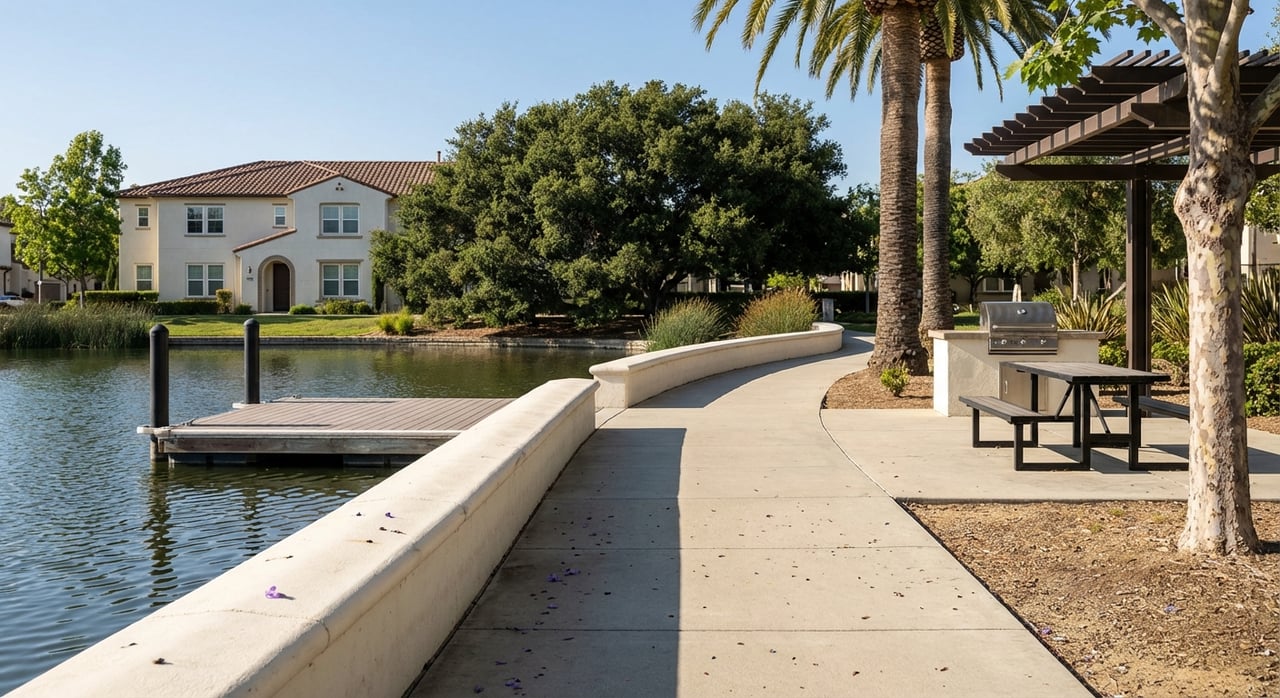
Woodbridge’s two lakes, beaches, walking trails, pools, and recreation centers are signature amenities and a major reason people choose the community. Your master association dues typically support the upkeep and staffing that keep these spaces clean, safe, and enjoyable. If you plan to use the lakes, pools, or clubrooms often, these benefits can deliver strong value. If you prefer minimal amenities, focus on the exact services included and consider whether a lower-dues enclave or detached home aligns better with your needs.
Because Irvine communities invest heavily in landscaping and amenity quality, you will usually see regular, visible maintenance throughout Woodbridge. Still, confirm standards and spending in the budget and minutes. If your property sits in a condo or townhome sub-association, review building coverage closely so you understand which items are included and which require your own insurance or savings.
Next steps
Buying into an HOA can be a great fit when you know what you are paying for and why. Take time to review the documents, walk the amenities, and compare coverage across similar Woodbridge neighborhoods. If you want a local, detailed read on a specific home’s associations, reserves, and rules, reach out to Felix Hung for a straightforward review and next steps.
FAQs
Do HOA fees in Woodbridge cover utilities for your home?
- Typically no; dues usually cover utilities for common areas, while in-unit electricity, gas, internet, and often water and sewer are billed to you.
Are trash and recycling included in Woodbridge HOA dues?
- Sometimes an HOA covers trash for common facilities or curbside service, but it varies by neighborhood and should be confirmed in the budget.
How do HOA rules affect pets and rentals in Irvine communities?
- Many associations set pet rules and rental terms, such as size limits or minimum lease periods; review the CC&Rs and rules for specifics.
Are HOA fees negotiable when you buy a home in Woodbridge?
- Regular dues are not negotiable, but you can negotiate repairs, credits, or holds in escrow based on what is found in the association disclosures.
How can you gauge the risk of future special assessments?
- Check the reserve study, current reserve balance, meeting minutes, and planned projects; low reserves or big projects increase the likelihood.