Torn between a condo or a townhome in Cypress Village? You are not alone. Many buyers start their search here and quickly realize there are two different “Cypress Villages” in Orange County, each with its own pricing, layouts, and HOA structure. In this guide, you will learn how to compare condos and townhomes, what to expect in each community, and which key factors should drive your decision. Let’s dive in.
First, which Cypress Village?
Before you compare condo vs townhome, make sure you are looking at the right Cypress Village.
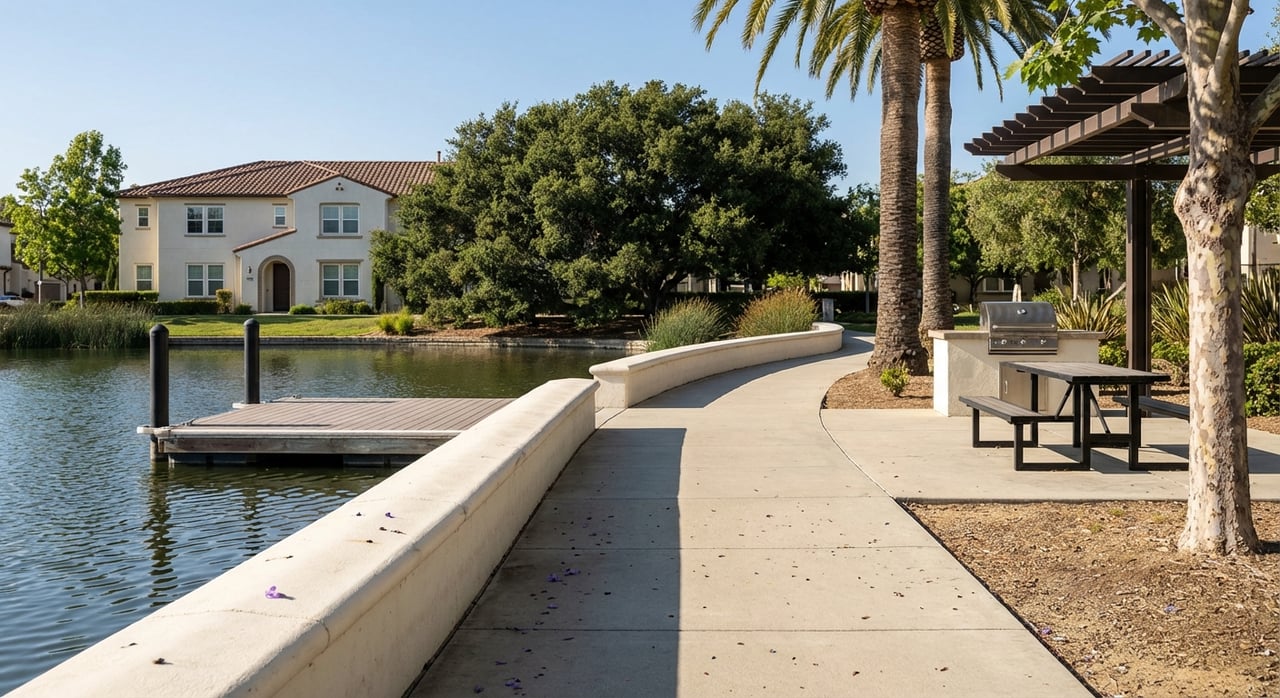
- Cypress Village (Irvine) – Part of the Villages of Irvine master plan with a mix of modern condos, attached townhomes, and some detached homes built in the 2010s. Expect master and subassociations, resort-style amenities, and a planned-community feel. For village context, see the Irvine Company’s overview of the Villages of Irvine master plan achievements here.
- Cypress Village (City of Cypress, Knott Ave area) – A 1970s-era condominium and townhome community with multiple pools and clubhouses, run by a single HOA. For community information and HOA materials, visit the official site at Cypress Village HOA.
Each village offers condos and townhomes, but pricing bands, age of construction, HOA setup, and ownership rules can differ. Your first step is to decide which location aligns with your goals, commute, and budget.
What you will find: layouts and sizes
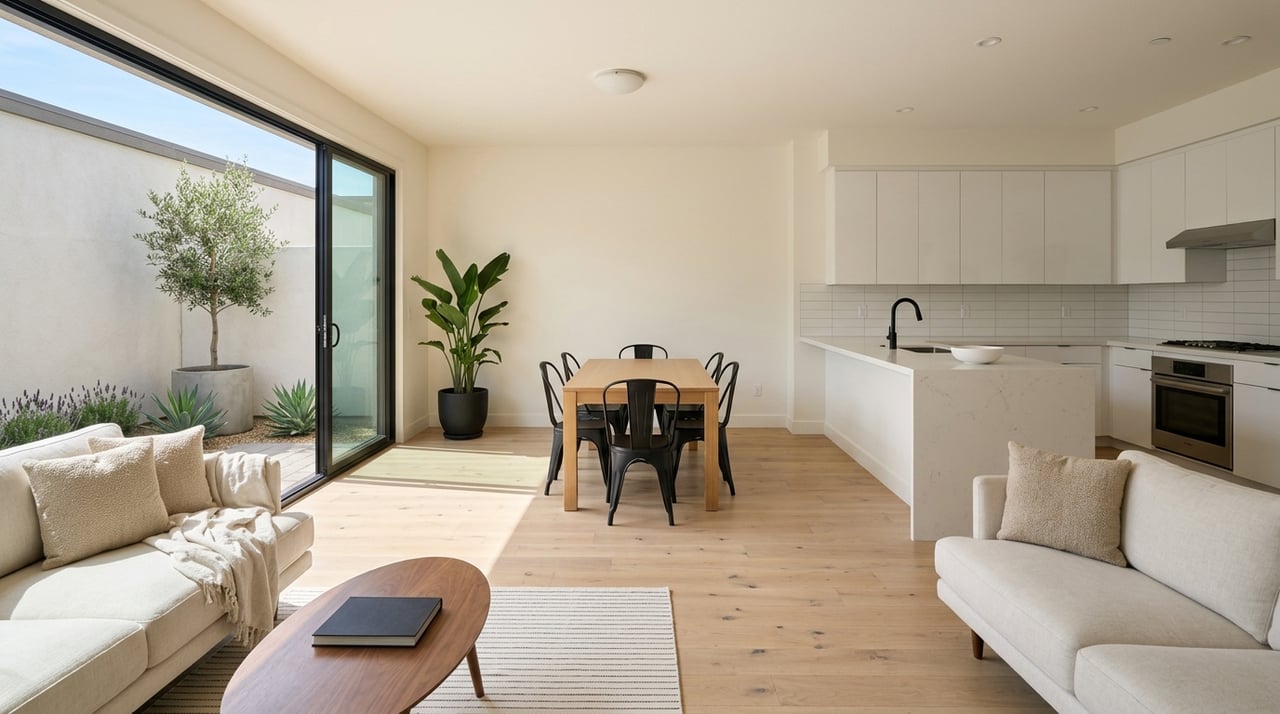
- Condos – Often single-level flats or stacked layouts with shared entries or corridors. In Irvine’s Cypress Village, recent examples typically range about 1,000 to 1,900 square feet with 1 to 3 bedrooms.
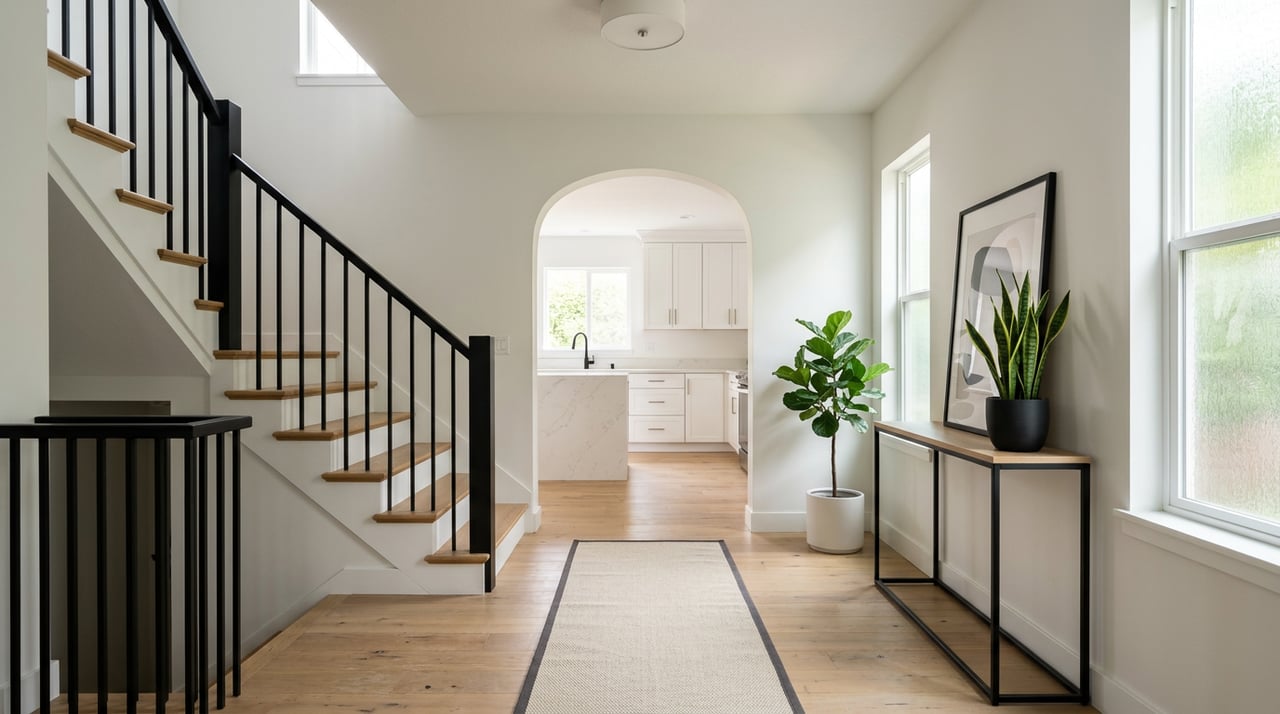
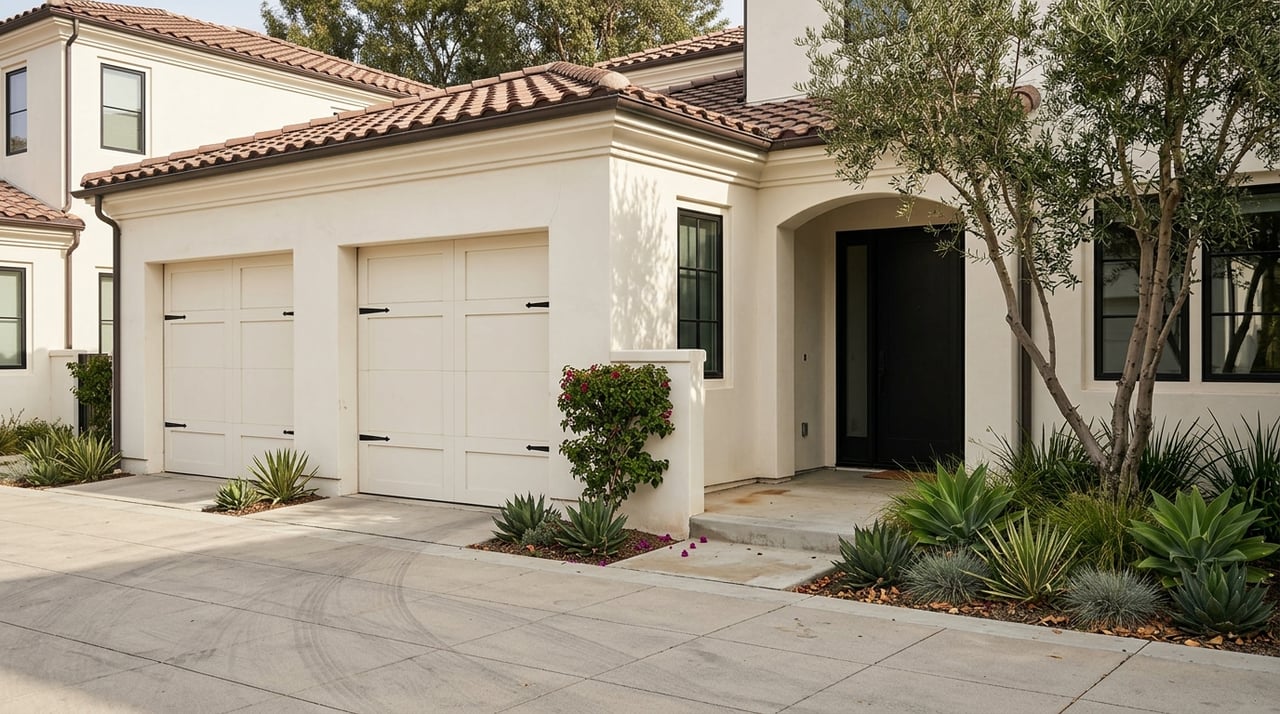
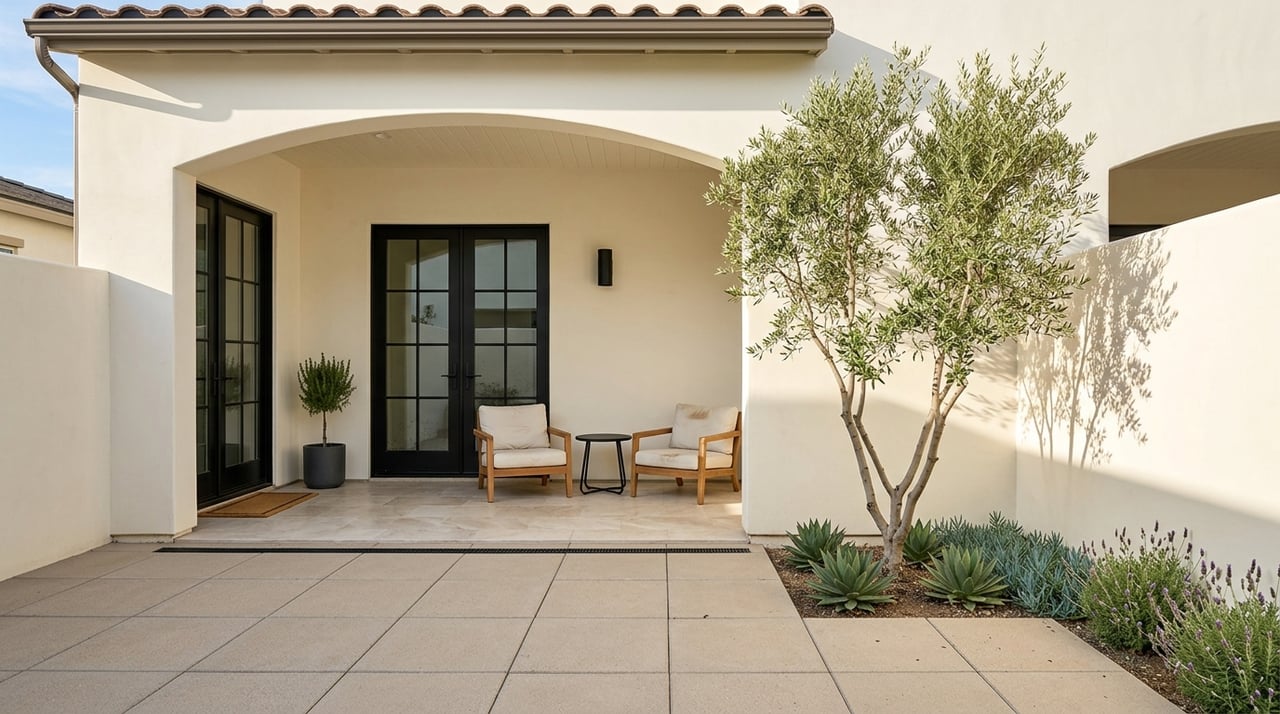
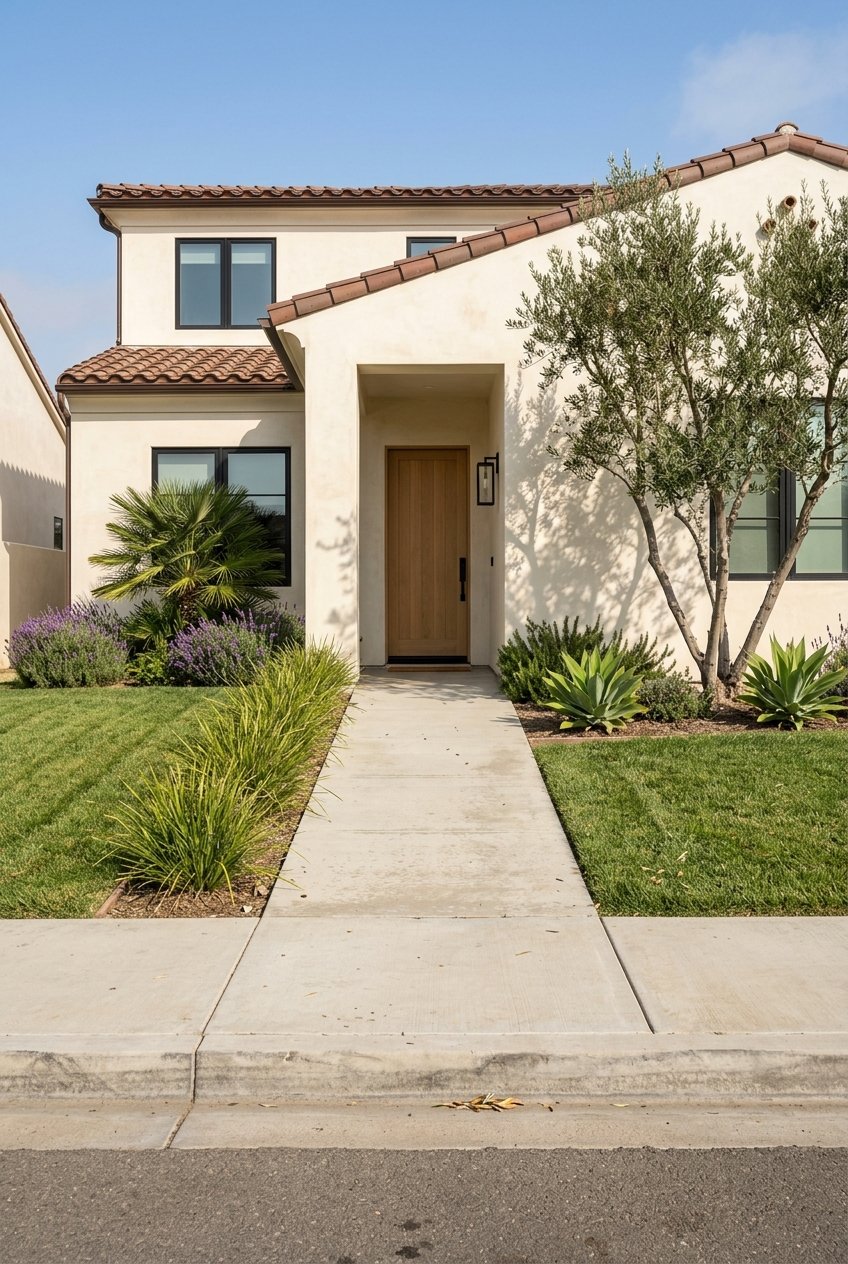
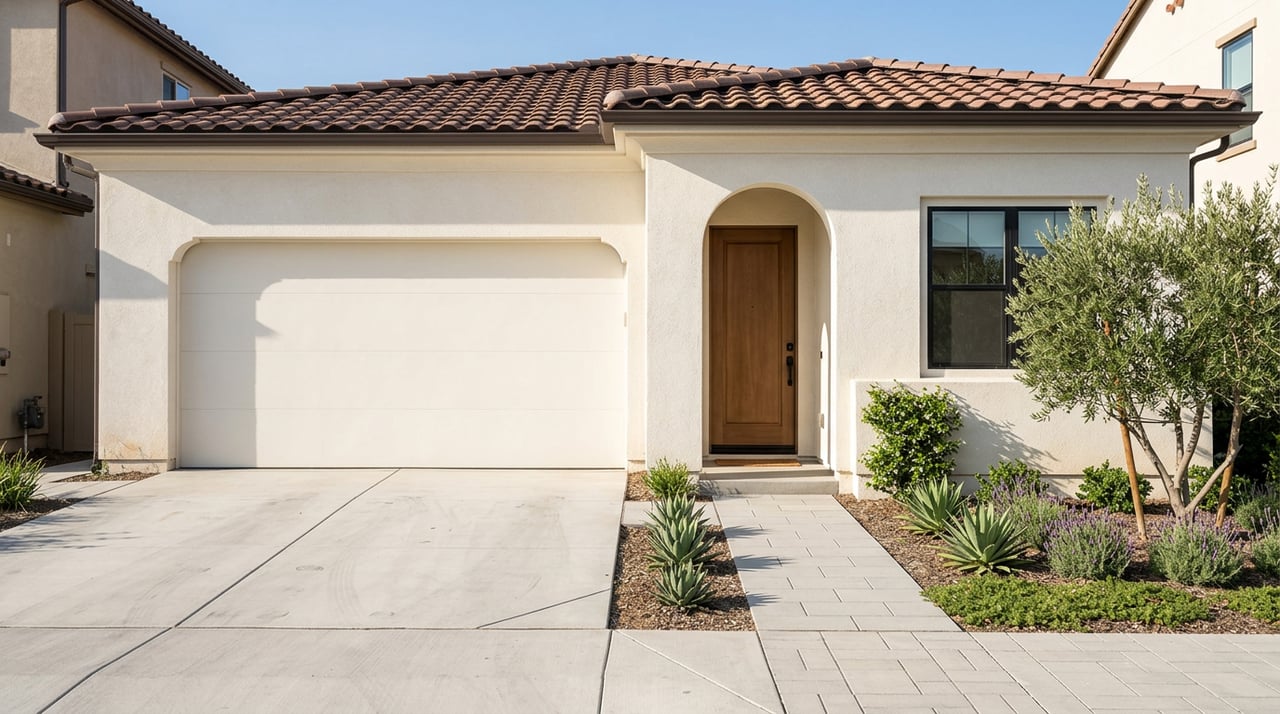
- Townhomes – Multi-level units with private entries and interior stairs. Many plans include a 2-car garage and a small patio or yard. In Irvine’s Cypress Village, examples commonly run about 1,400 to 2,300 plus square feet.
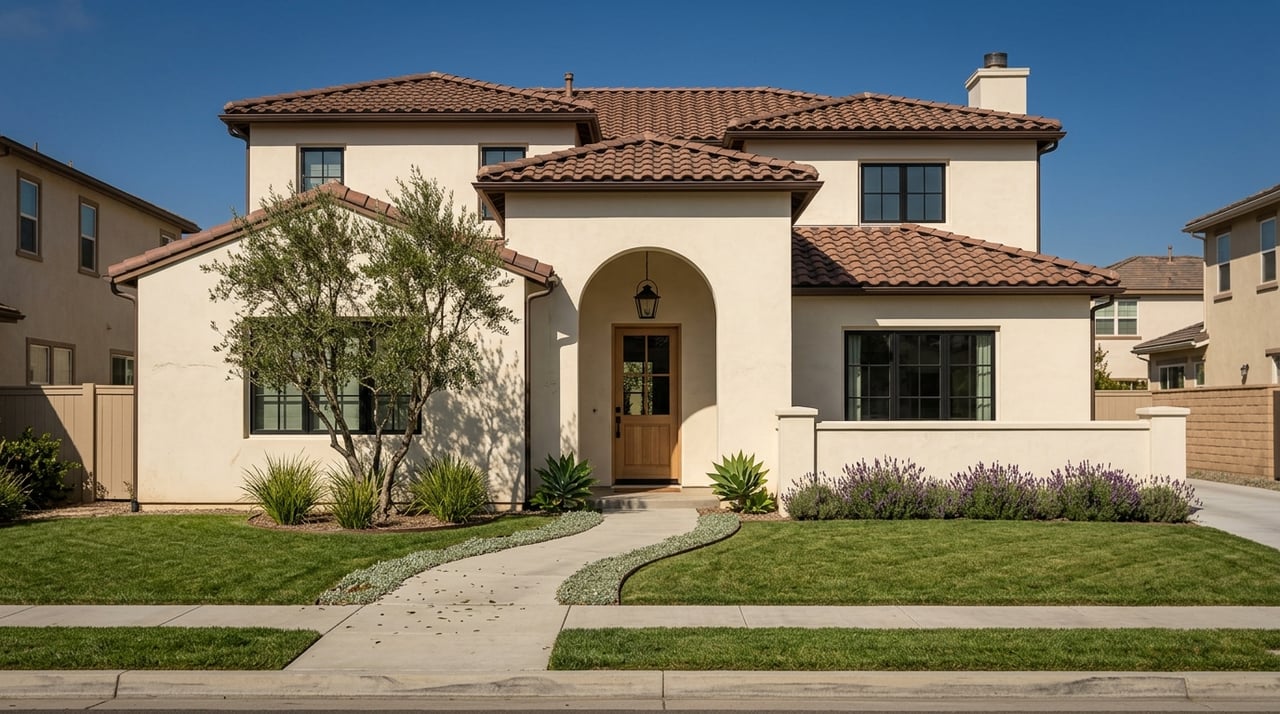
- Detached homes (Irvine only) – Limited pockets of single-family homes sit within the Irvine village and usually price above attached options.
Condo vs townhome in California: what it really means
In California, “townhouse” describes an architectural style, not a guaranteed ownership type. A townhome can be legally recorded as a condominium unit or as a lot within a planned development (PUD). The Davis–Stirling Act governs these common-interest communities and spells out who maintains what, how insurance works, and how the HOA operates. The practical effect is simple: two townhomes that look identical can have very different maintenance and insurance responsibilities. Review the recorded ownership type in the public report and CC&Rs. You can read the statutory framework in the state code here.
HOA structure and what it might cover
- Irvine master plan setup – It is common to see a master HOA plus a subassociation in the same neighborhood. That can mean two line items on monthly dues and a clear split between village-wide amenities and neighborhood-specific maintenance.
- City of Cypress (Knott Ave) setup – Typically a single HOA that manages the pools, clubhouses, common areas, and many exterior elements in the 1970s buildings. The community’s official site provides general HOA context at Cypress Village HOA.
Common California patterns to confirm in the CC&Rs and budget:
- Condominium regimes – HOA often covers most exterior elements and common areas, while you carry an HO-6 policy for your interior. The association usually carries a master policy for the buildings. See the Davis–Stirling framework here and an insurance glossary for master vs HO-6 terms here.
- PUDs / planned developments – You may own the lot and structure, which can shift exterior maintenance and insurance to you, unless the CC&Rs assign certain items back to the HOA. Always verify the exact split in writing.
- Reserves and special assessments – Healthy reserves help avoid surprise assessments. Review the reserve study, percent-funded figure, and recent meeting minutes. A practical primer on reserve study requirements is available here.
Financing and project approvals
Financing rules can differ between condos and PUD townhomes. Many lenders conduct a project review for condo communities and evaluate items like litigation, reserve levels, owner-occupancy, and rental caps. If you plan to use FHA or VA, confirm the project’s approval status early. For conventional guidance on condo reviews, see Fannie Mae’s resource here. FHA information for project approvals is available from HUD here.
Local prices, dues, and rent signals
Prices shift with the market, but recent snapshots provide useful ranges you can verify before you write an offer:
- Cypress Village (Irvine) – Recent neighborhood data shows a median sale price around $1.38M as of Dec 2025 for all home types, with many condos and townhomes listing roughly $1.08M to $1.6M depending on size and plan. HOA dues for attached homes often appear in a combined primary + secondary format with observed totals in the $135 to $387 per month range in sample listings. Always confirm the current amounts in disclosures.
- Cypress Village (City of Cypress, Knott Ave) – Larger attached 2 to 4 bedroom units have recently sold or listed in the $600k to $900k band depending on floor plan and remodel level. HOA dues commonly range about $250 to $400+ per month across sub-neighborhoods and amenities.
- Rent signals – In the Irvine area around Cypress Village, 3-bedroom townhome rentals have recently landed around $4,200 to $5,000+ per month. City of Cypress rents for smaller units are typically lower. Use rentals as a directional data point only.
Note: Always re-check live MLS data and HOA disclosures at offer time, since pricing and fees can change quickly.
Decision framework: condo vs townhome in Cypress Village
Use these criteria to narrow your choice:
- Budget and monthly cost – Condos may offer a lower entry price, while townhomes can deliver more space and a garage. Compare HOA dues, insurance, and utilities to get a true monthly number.
- Maintenance preferences – If you want fewer exterior chores, a condo with clear HOA responsibility for roofs, exterior paint, and landscaping can be a fit. If you prefer more control over exteriors and small yards, look for PUD townhomes or fee-simple setups.
- Parking and storage – Townhomes commonly include a 2-car garage, which can be essential for storage and EV charging. Many condos rely on assigned spaces and shared garages.
- Schools and assignment – Cypress Village in Irvine is assigned within Irvine Unified School District. The Knott Ave community in the City of Cypress is served by Garden Grove and local districts. Verify specific school assignments by address with the district.
- Financing – If you need FHA, VA, or certain conventional programs, ask about condo project approval and any underwriting flags early. PUDs can face fewer project-level hurdles, but rules vary by lender.
- Lifestyle – Condos often come with more shared amenities like pools and clubhouses. Townhomes trade some of that for private space, a garage, and sometimes a small yard.
- HOA health – Ask for the reserve study and percent-funded figure, plus the last 12 months of minutes. Strong governance and adequate reserves help reduce the risk of large special assessments.
Quick buyer scenarios
- First-time buyer seeking low maintenance – Consider a smaller condo or 1–2 bedroom townhome in the City of Cypress Knott Ave community for a lower entry price, or an entry condo in Irvine if inventory and budget align. Compare HOA coverage and dues side by side.
- Move-up buyer needing space and a garage – A multi-level townhome in Irvine can offer 2-car garages, more square footage, and proximity to the Villages network of schools. Verify the exact school assignment by address.
- Investor or second-home buyer – Check rental rules, rental caps, and any minimum lease terms. Investor concentration limits and rental caps can affect both financing and future flexibility.
- Empty nester prioritizing amenities – A condo in Irvine with resort-style access or an updated unit in the City of Cypress with clubhouse and pools can deliver a lock-and-leave feel. Confirm what the master policy covers vs your HO-6.
What to ask the HOA before you offer
Use this checklist to focus your document requests and conversations:
- Can I review the CC&Rs, Bylaws, and Rules & Regulations to confirm maintenance and use restrictions? See California’s common-interest framework here.
- What is the current budget, reserve study, and percent-funded figure? Learn why reserves matter here.
- Have there been any special assessments in the last 5 years, and are any proposed?
- May I read the last 12 months of board minutes for maintenance and rules discussions?
- Can I have the master insurance summary to understand building coverage vs my HO-6? Insurance terms explained here.
- Is there any pending or recent HOA litigation?
- Are there rental caps, pet rules, or exterior alteration rules I should know about?
- If I plan to use FHA or VA, what is the project approval status, and can you share any recent lender questionnaires? FHA overview is available here and conventional project review guidance is summarized here.
Next steps to reach a confident decision
- Define your non-negotiables – budget range, parking, outdoor space, and commute.
- Pick your target village – Irvine or City of Cypress – based on location and school assignment needs.
- Compare real inventory – tour a condo and a townhome in your price band to feel the differences.
- Request and review HOA documents early – focus on reserves, maintenance split, insurance, and rental rules.
- Align financing – confirm condo project eligibility or PUD status with your lender before you write.
Ready to zero in on the right fit in Cypress Village? Get local, practical guidance and a side-by-side comparison of live listings and HOA docs with Felix Hung.
FAQs
What is the difference between Cypress Village in Irvine and the City of Cypress?
- Irvine’s Cypress Village is a newer master-planned area with master and subassociations, while the City of Cypress community near Knott Ave is a 1970s-era condo and townhome HOA with multiple pools and clubhouses.
How do HOA dues typically compare between the two communities?
- Irvine attached homes often show combined master and subassociation dues in the roughly $135 to $387 per month band, while City of Cypress units commonly range about $250 to $400+ per month, depending on sub-neighborhood and coverage.
Do townhomes always include land ownership in California?
- No, “townhouse” is a building style; ownership can be condominium or PUD, which changes maintenance and insurance responsibilities, so confirm the recorded ownership in the CC&Rs and title.
Can I use FHA or VA for a condo in Cypress Village?
- Often yes, but many condos require project approval and added documentation, so check FHA/VA project status and lender eligibility early to avoid surprises.
What documents should I review before making an offer?
- Ask for CC&Rs, Bylaws, Rules, the current budget, reserve study with percent-funded, 12 months of minutes, master insurance summary, litigation status, and any rental or pet rules.
What parking and storage differences should I expect?
- Many townhomes include a private 2-car garage with extra storage, while condos often rely on assigned or shared parking with less enclosed storage space.