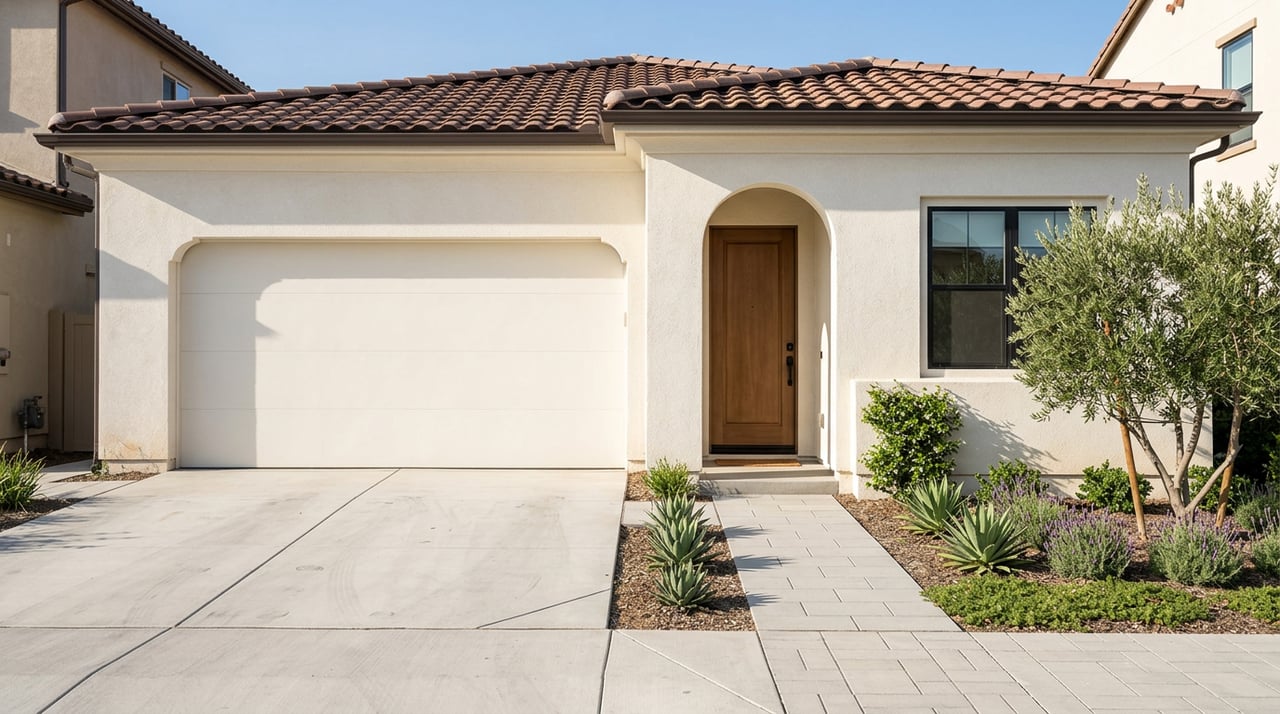
Guiding You Through Great Park Irvine New Construction
March 24, 2026
March 24, 2026
You walk into a stunning model home in Irvine’s Great Park and picture your life unfolding there. Then you hear terms like Mello-Roos, CFD, master HOA, sub-HOA, and structural warranty. It can feel like a maze. You deserve a clear path from first tour to confident closing.
In this guide, you’ll get a plain-English walkthrough of new construction in Great Park: how the community is built and governed, what costs to expect, how warranties work, and which documents to review before you sign. You’ll also learn smart timing and negotiation tips tailored to phased communities. Let’s dive in.
Great Park Neighborhoods is a multi-phase master-planned community built around the Orange County Great Park. Development is led by FivePoint under a large master plan with homes, parks, and commercial space tied to public infrastructure obligations. You can review the developer’s public disclosures for scale, timing, and phasing details in FivePoint’s SEC filings that describe the community’s multi-year buildout and obligations for public improvements. You can also see current builders and neighborhoods on the official community site.
Great Park regularly features major national and regional builders offering attached and detached homes. The lineup can change by phase. Examples have included Lennar, KB Home, TRI Pointe, Pulte, and Toll Brothers. Because products rotate by neighborhood, always confirm the active builder list for the area you are considering on the official builders page.
Buying new construction means understanding recurring costs beyond your mortgage. In Great Park, three line items matter most: the master HOA, any sub-HOA, and Mello-Roos special taxes.
Most Great Park homeowners pay a master HOA plus a separate sub-association tied to their neighborhood. The master association reports dues in roughly the low hundreds per month during buildout. Recent master dues examples are about $221.83 to $260 per month. Sub-association dues vary by product type and amenities. Always request the exact fee schedule for your specific lot or resale.
Great Park uses Community Facilities Districts, often called Mello-Roos, to finance infrastructure and park improvements. These special taxes are tied to specific Improvement Areas. That means the amount can differ a lot between phases and even between nearby streets. The correct way to verify your number is to check the property’s APN and current tax bill, then match it to the City’s CFD information.
Many special assessments, including typical Mello-Roos charges, are treated by the IRS as assessments for local benefits. These generally are not deductible as real estate taxes for federal itemized deductions. HOA dues also are not deductible as property taxes. Your personal situation may vary, so consult a tax professional.
Production builders typically deliver on faster cycles than custom builds. Public filings from national builders show many homes complete in months after on-lot construction starts, and some builders offer quick move-in homes that can close within 30 to 90 days. Treat all timelines from sales offices as estimates, since permitting and supply conditions can shift.
Because Great Park is a multi-year, multi-phase community, expect ongoing construction near new neighborhoods. Parks, trails, and community facilities roll out in phases as developer obligations are met and reimbursed. Retail and services also open in stages, so your daily convenience can improve over time as centers and amenities come online.
Most production builders provide a tiered warranty structure:
Always obtain the written warranty booklet, confirm what is covered, and note how transferability works if you plan to sell within the warranty period.
California also protects new-home buyers with a statutory process called SB 800, or the Right to Repair Act. If you discover a construction defect, you must follow a specific sequence before litigation: give notice, allow the builder to inspect, and give the builder the chance to repair or explain why not. The statute sets performance standards, timelines, and limitation periods by defect type.
Get the builder’s warranty booklet at contract and register your home at closing.
Schedule your pre-closing walk, day-of-close turnover, and an 11-month walk to catch items before early coverages expire.
Keep records of requests and responses so you can comply with SB 800 notice requirements if needed.
Register and manage warranty coverage (2-10 homeowner resources).
See a practical outline of SB 800 notice steps (terms.law overview).
Builder sales teams work for the builder. If you want independent advocacy, engage a local buyer’s agent experienced in new construction. Many builders require your agent to register at your first visit to preserve representation and incentives. Have your agent review the purchase agreement, included features, and upgrade pricing before you sign.
Builders often offer incentives such as rate buydowns, closing cost credits, or design-center allowances. Some incentives require using a preferred lender or title provider. Run a cost-benefit analysis with your agent and lender so you compare the net value of incentives to independent loan options. If you need to sell a current home, align timelines carefully so your move-in date and closing dates work without costly overlap.
Before you release contingencies, assemble and review these items carefully:
Helpful references:
Amenity completeness and everyday convenience influence future demand. Proximity to completed Great Park features, neighborhood parks, and active retail can support resale appeal as the master plan matures. School assignments are part of the community’s narrative; verify details through official sources and the developer’s school information page for context.
Recurring costs like Mello-Roos and HOA dues also affect affordability and lending ratios. If you are relocating from an area without special districts, review the APN-based tax bill early so you can budget accurately and secure preapproval that reflects total monthly obligations.
If you are eyeing models in Great Park, bring a plan and a partner who knows the terrain. From builder registration and incentive analysis to HOA and CFD review, you can move forward with clarity and confidence. When you are ready to tour and compare neighborhoods side by side, connect with Felix Hung for local guidance and next-step strategy.




Felix is best known as a Social Media Real Estate Expert and has given classes on all aspects of social networking, organic branding and lead generation. Contact him today!